New Zealand is known as the land of the Kiwi’s. There’s the green or golden fruity kind. The gumboot wearing, pie eating human kind. And then of course there’s every New Zealanders favourite- the long beaked, feathery flightless kind- The elusive Kiwi Bird.
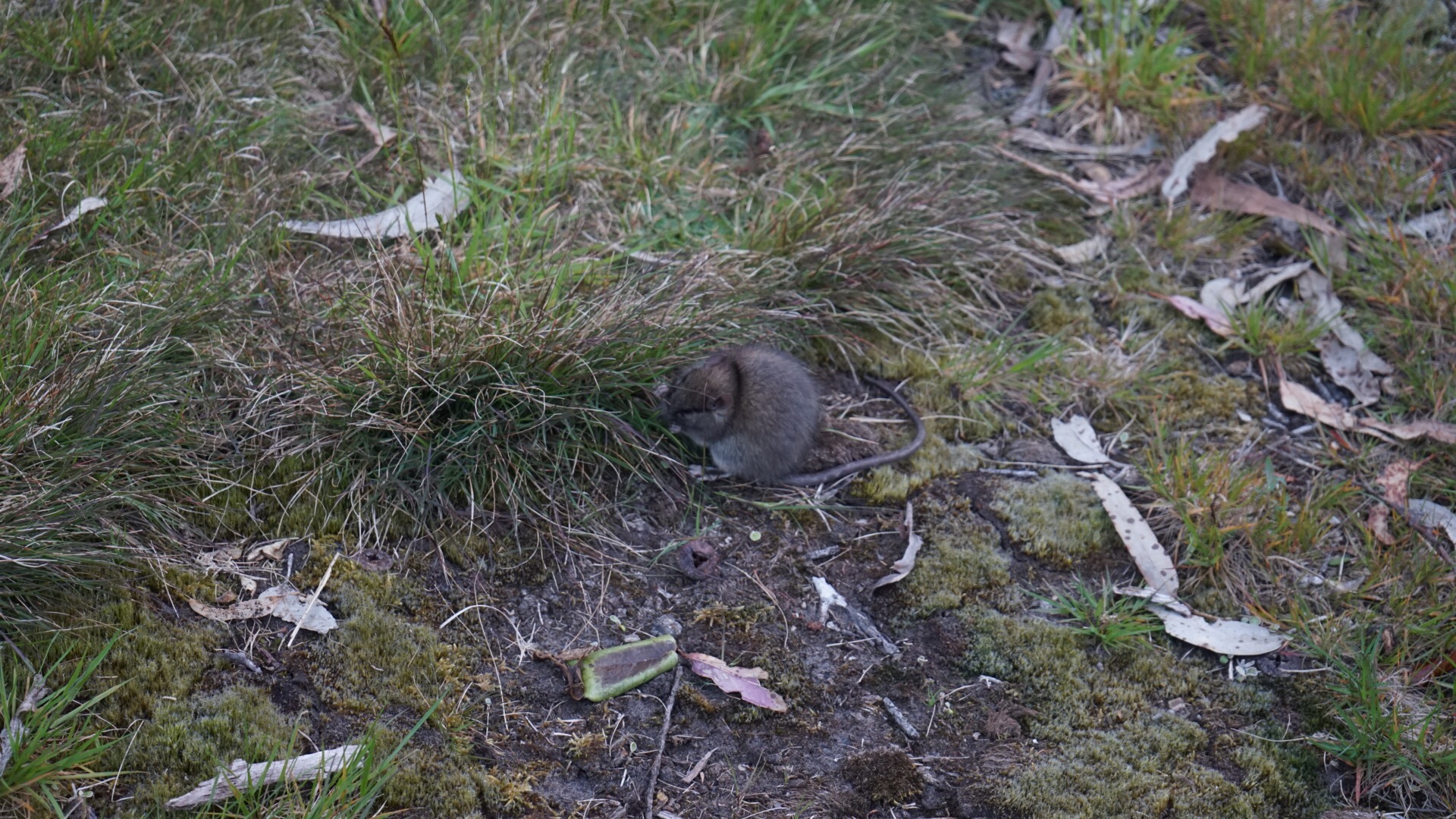
But despite being New Zealand’s National Icon, this Kiwi in particular proves a little more difficult to stumble across than your average tatty old pigeon down your local high street. So difficult in fact, that our quest to spot a Kiwi saw us travel to two different islands; trek over 40kms; scour tracks by day and deserted forests and backcountry lanes by night (sorry mum); sleep in rat infested camps; be devoured by swarms of blood hungry sand-flies; and even get chased off trail and into the thick bush by a ferocious sea-lion ready to rip us limb from limb. And was the pain, sleep deprivation, and blood loss all worth it you ask? Well for five minutes of solitude with a Kiwi in the wild, it most definitely was!

So if like us, you’re a nature whore, who’s trip to NZ just wouldn’t be the same without setting your beady little eyes on one of these big booty’d birds foraging in its natural fern filled habitat, check out these tips for spotting a Kiwi out in the wild without the expense and crowds of an organised tour.
Where to begin
Some wise guy once said it’s all about ‘location, location, location’ and when it comes to finding the Kiwi Bird it most definitely is (unless you have the luck of a Leprechaun that is!). Now endangered, these little balls of wonder can only be found in just a few remote, heavily forested locations around New Zealand. And not only are they rare and difficult to find, but they are also nocturnal, presenting another issue for the diurnal human who enjoys that beautiful thing called sleep! But strangely enough, there just so happens to be one anomaly amongst the Kiwi family and that is the Rakiura Tokoeka (Southern Brown) Kiwi bird. Unlike its other Kiwi relatives, this particular species of Kiwi bird is known to disregard natural Kiwi behaviour and dabble in foraging during the day (perhaps one of the reasons these little guys are becoming extinct!!). These day dwellers can be found on the shores of Rakiura (or Stewart Island, as it is more commonly known). And that’s exactly where our trail lead us.

To make the 30km journey across the Foveaux Strait, you can catch a catamaran with Real Journeys, who operates a daily Ferry Service service between Bluff, a costal seaside town famed for its Oysters, and picturesque Oban, the only town on the whole island of Rakiura. Prices very month to month and peak during the main summer/ tourist season. Tickets in November will set you back $75 each way, but buying a return ticket will save you some much needed dolla. Luckily ,if you need to shift your return journey back to give you more time to find that Kiwi Bird, Real Journeys operate a 24 hr cancellation/ modification policy giving you a little more flexibility with your trip!
Stewart Island’s Kiwi Hot Spots:
Steward Island’s 1746 km² of pristine wilderness is dissected by a number of remote, long distance tracks and trails that are prime Kiwi territory, but unless you have a lot of time and are willing to wade through chest high mud, you may want to give these trails a miss!
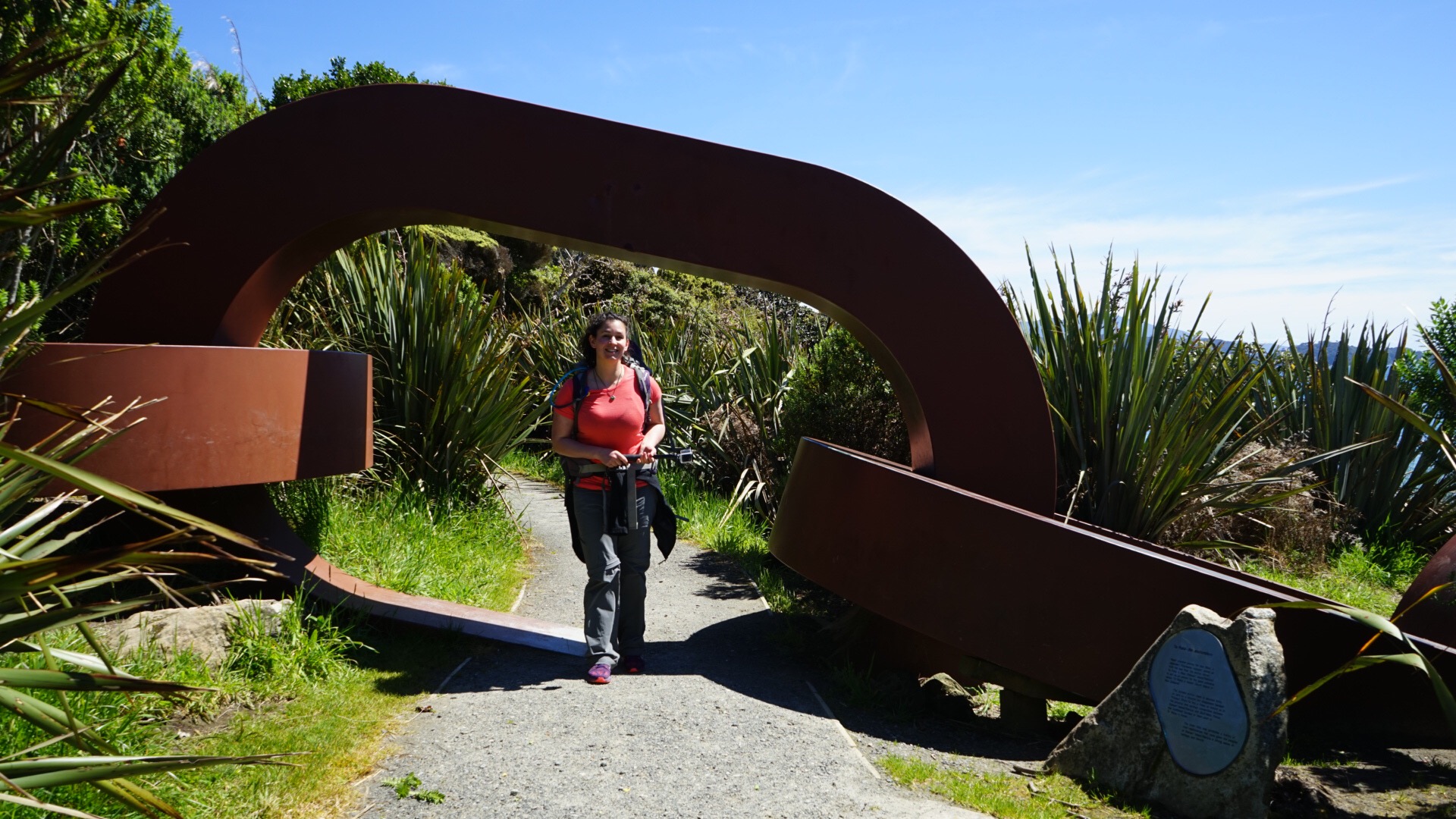
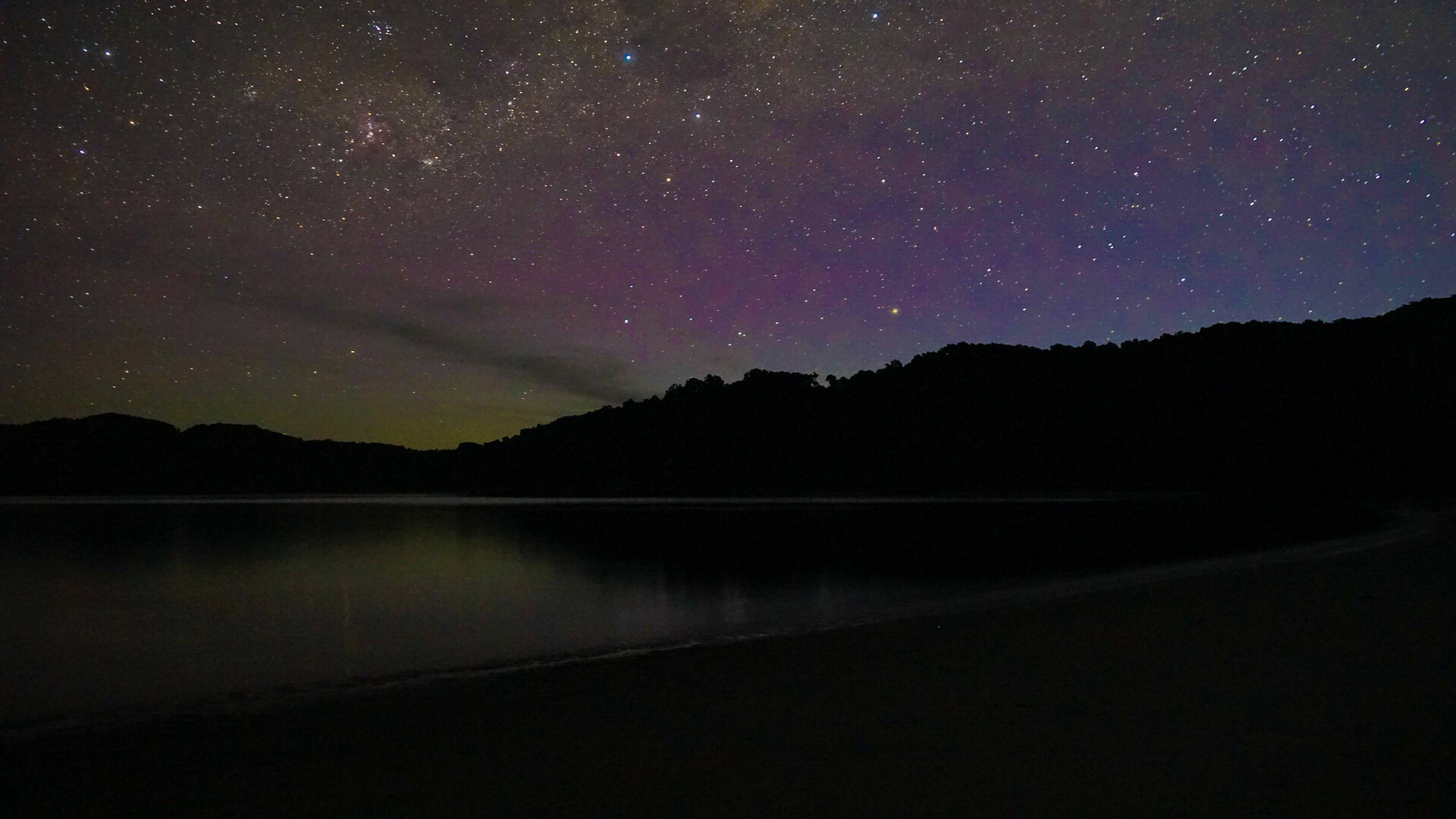
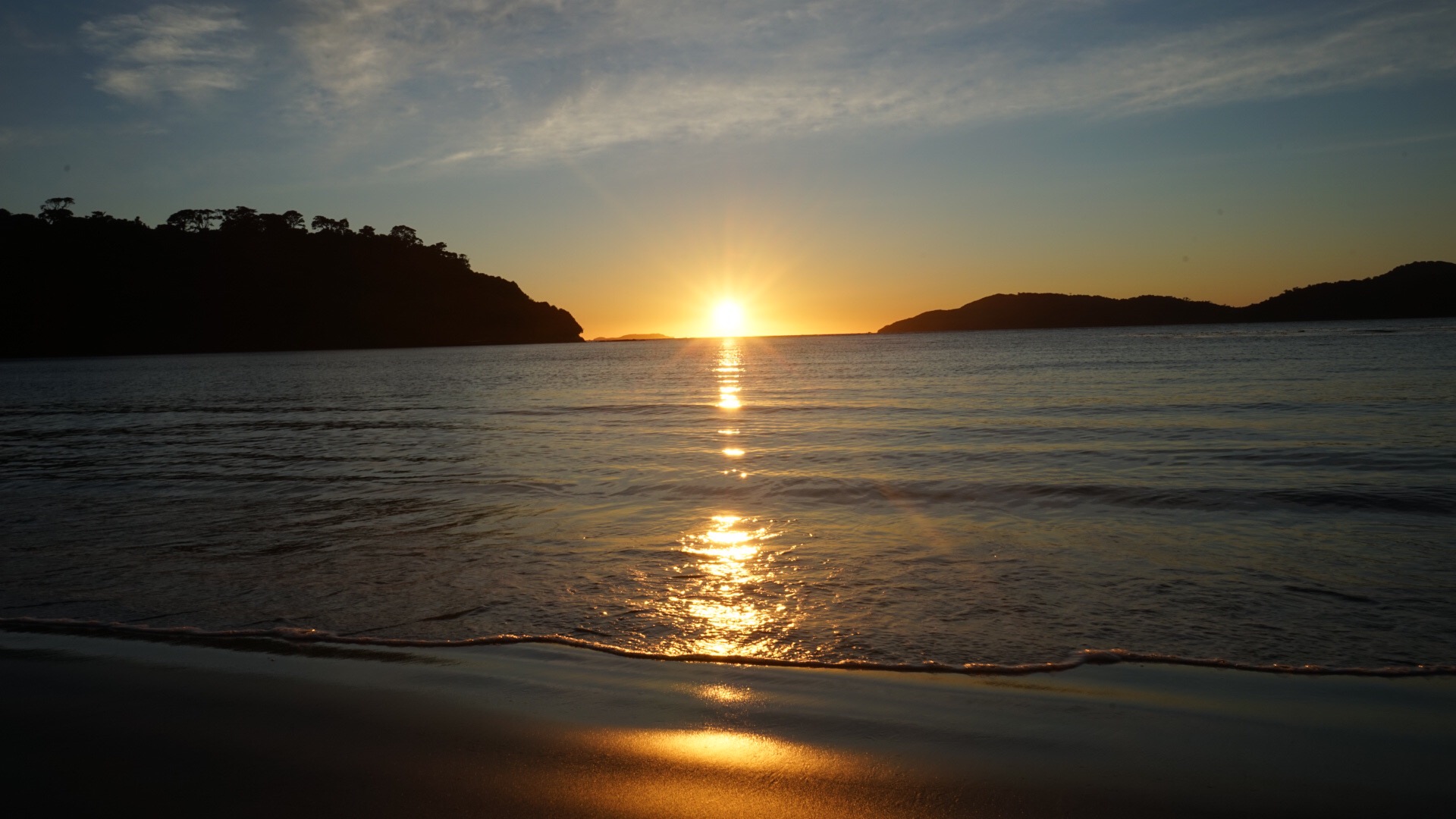
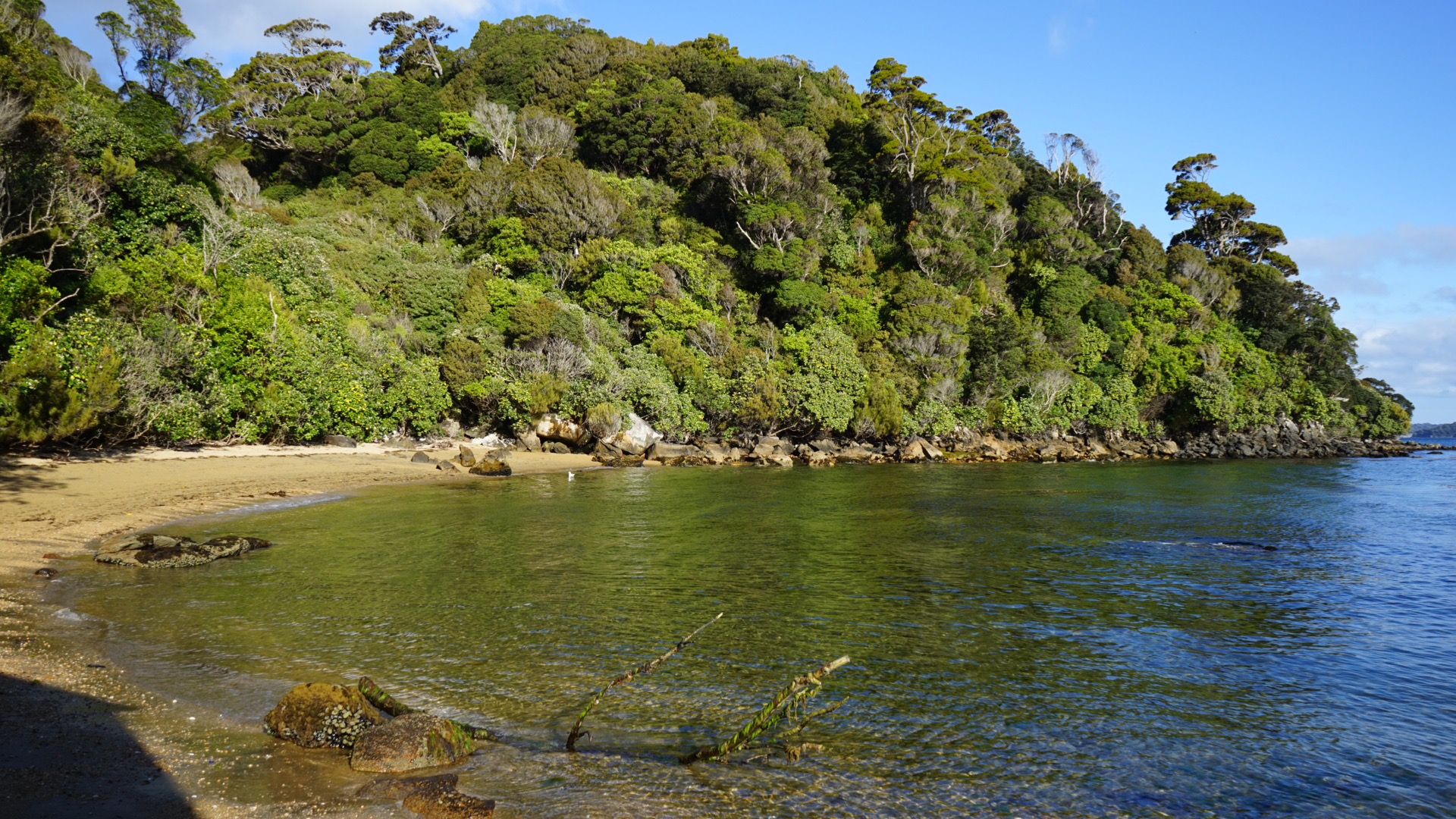
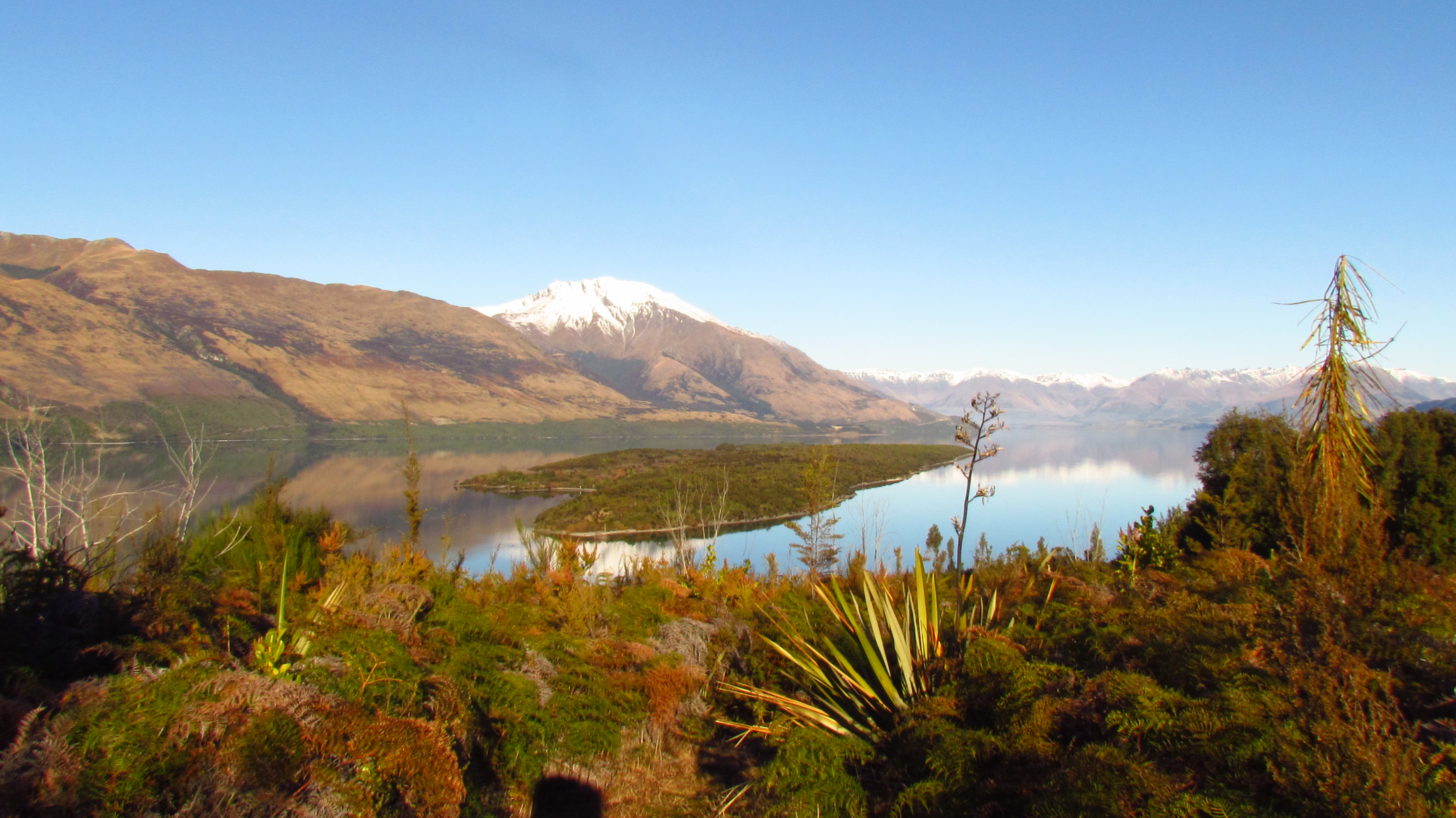
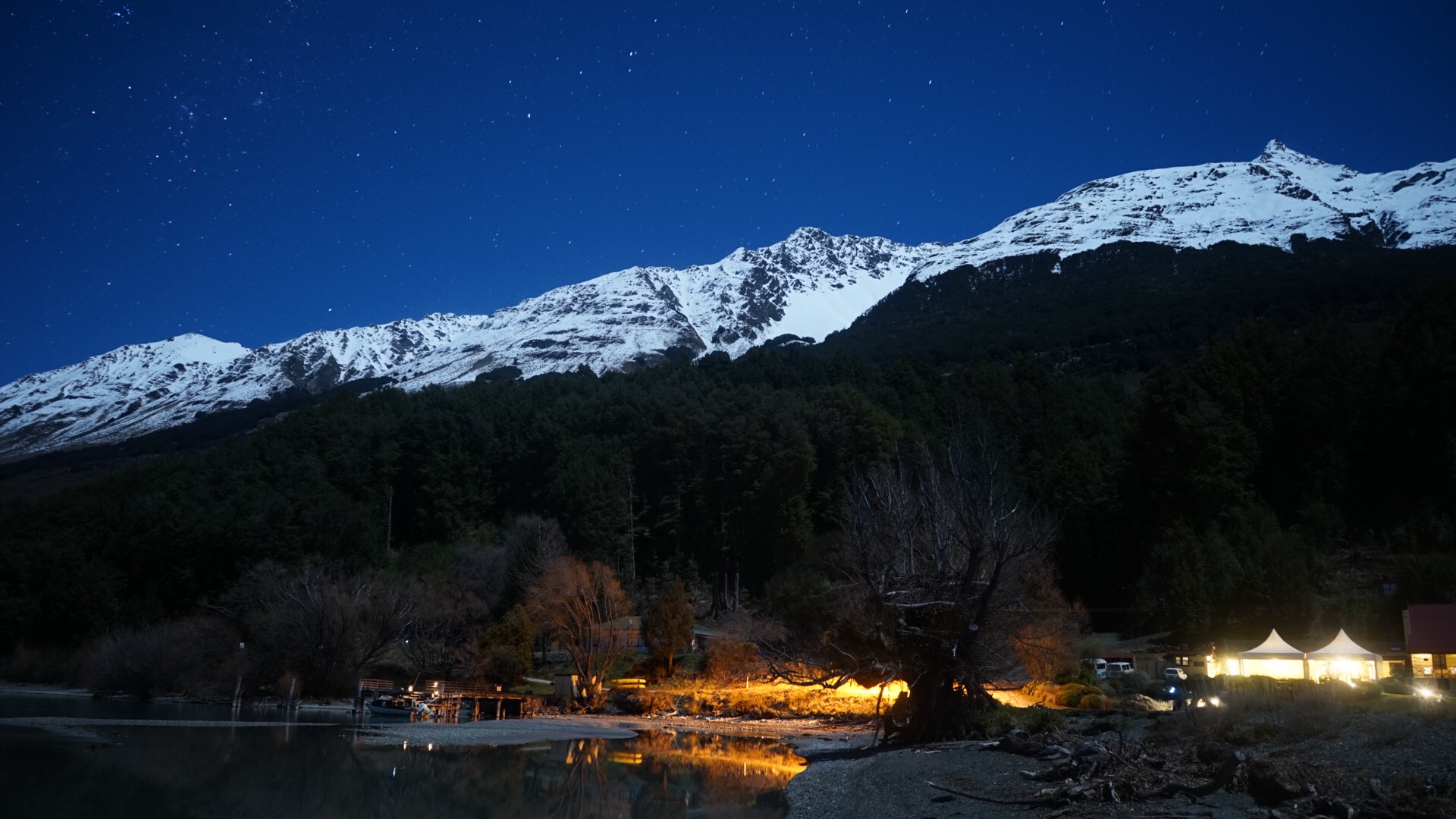
The most accessible of all of the trails on Stewart Island is the Rakiura Track– a 32km well maintained loop track and one of New Zealand’s ‘Great Walks’, which can be walked directly from Oban itself. On arrival, we were tipped off by a local DOC ranger that Kiwi birds are often spotted hanging around Port William Camp Site at dawn and dusk and also along the inland section of forest between Port William and North Arm hut during the day. As we were short on time, we opted to do the most picturesque section of the walk and camp overnight for optimal Kiwi viewing. Unfortunately, we lucked out on the Kiwi front this time, but I couldn’t recommend this 26km return adventure enough! This section of the trail is the most undulating section, beautifully scenic and if you don’t mind your pitch being overrun by rats and sand-flies, Port William is the perfect spot to end a days tramping, to watch the sun rise, and if you’re lucky enough, even catch the aurora on a super clear night.


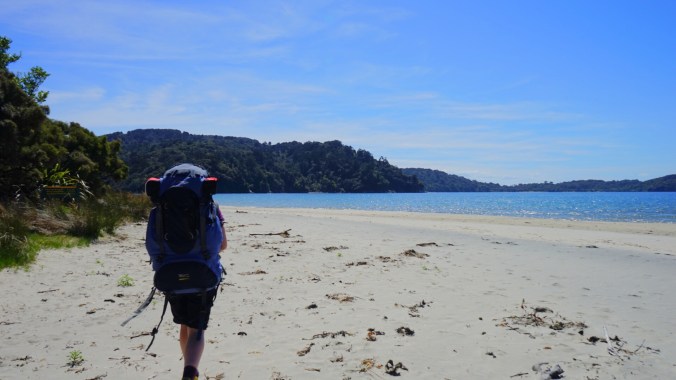

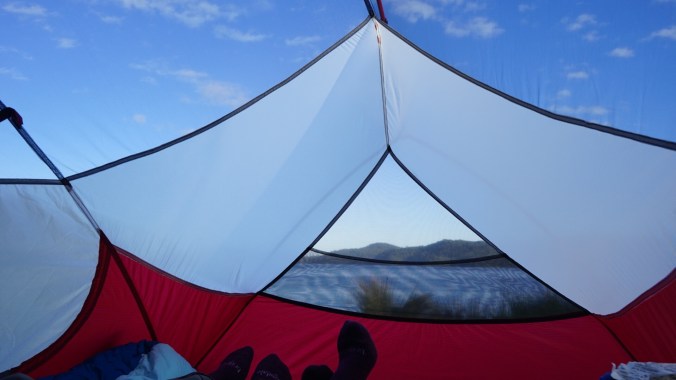


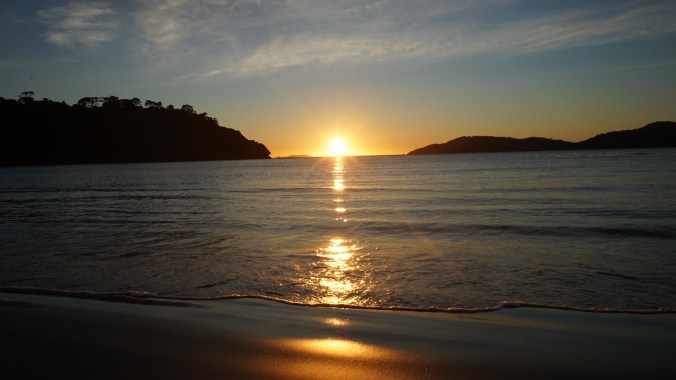

Notorious for being shy and reclusive, a township would be the last place you’d expect to find a Kiwi, right? Well apparently, you’d be wrong to think that! Once again we lucked out in our search for the Kiwi Bird in Oban’s coastal town, but if you read any hostel’s ‘Kiwi Sightings’ log book, you’ll find report after report of backpackers and tourists bumping into Kiwi’s in and around town as the sun begins to fade. Here’s a list of the current ‘hot spots’:
- Traill Park- Take the short ‘Fuchsia Walk’ from Dundee street to ‘Traill Park’. This ruby pitch is boarded by dense forest and apparently Kiwi’s can be seen scurrying around the pitch after dark.
- Raroa Walk- From the far end of the Rugby pitch on ‘Traill Park’, take the ‘Raroa’ trail through a section of forest rich in Bird Life. Lots of people have claimed sightings right along this trail that will lead you to the beautiful Golden Bay.
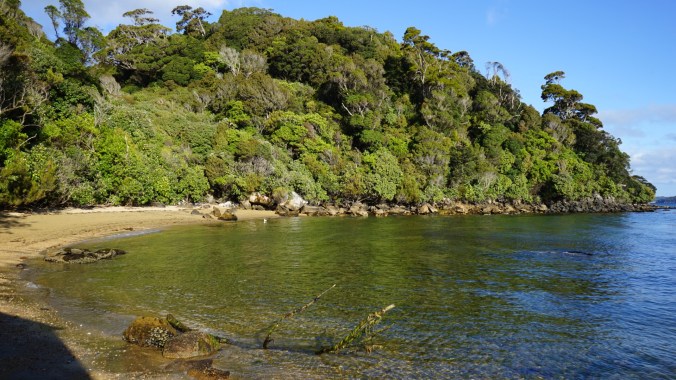
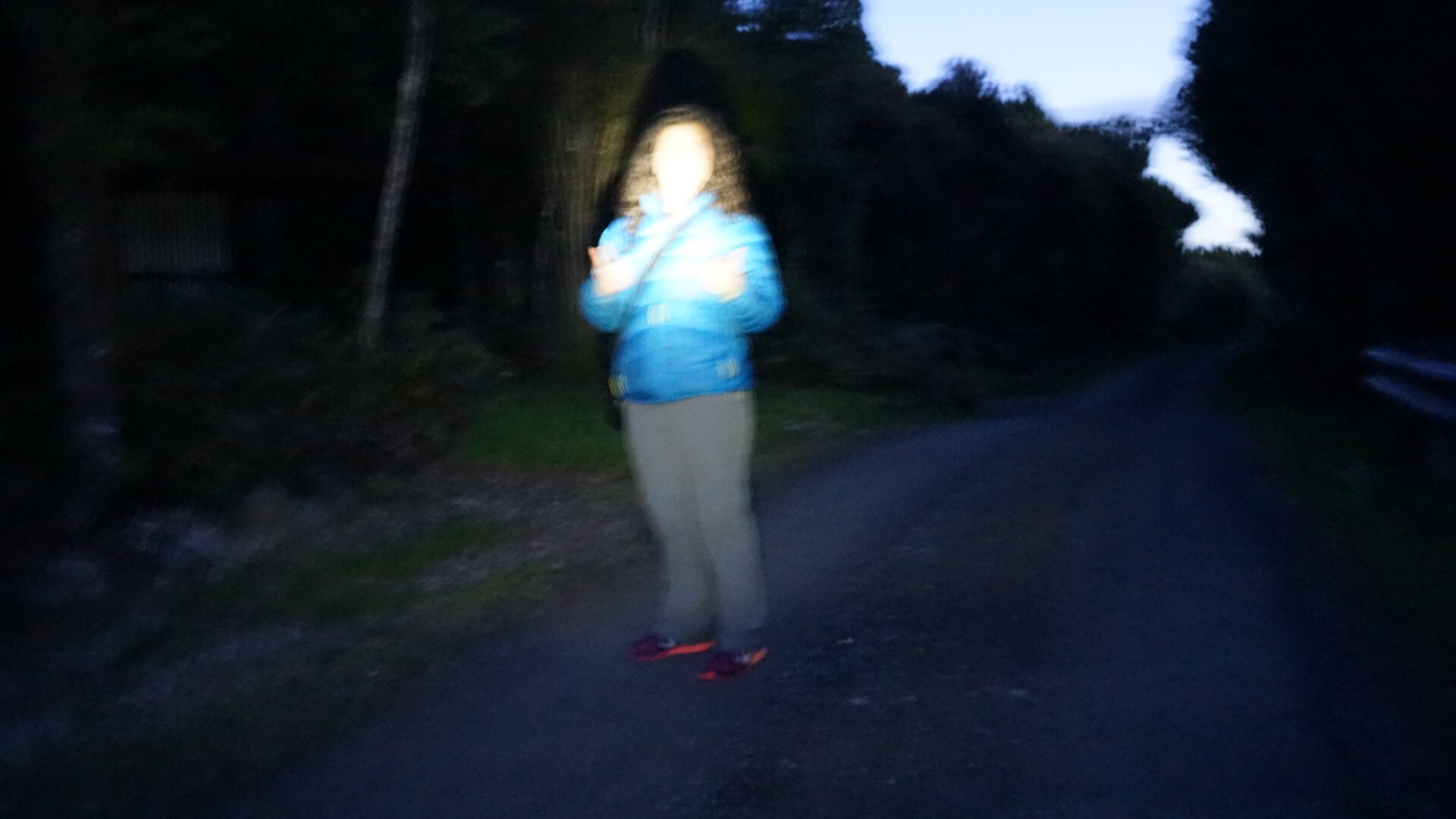
- Loop the ‘Back Road’- This is only one I’d recommend as a last resort and if you have nerves of steel. Stewart Island feels like one of the safest places on earth and probably is, but regardless of that, there’s something ridiculously creepy about roaming deserted back country lanes for an hour and a half in the middle of the night. Every rustling bush and eerie screech will have you thinking you’re walking straight into the set of a horror film when your path is lit only by the beam of your torch. But according to a local fisherman we hitched with from Horseshoe bay to Halfmoon bay, making a loop of the back end of town in the early hours of the morning will lead you straight to a local Kiwi hangout. The junction where ‘Back Road’ meets ‘Hicks Road’, and the bridges over ‘Mill Creek’ are apparently particular hot spots! Route: Main Road; Back Road; Hicks Road; Horseshoe Bay Road; back to Main Road.
Ulva Island
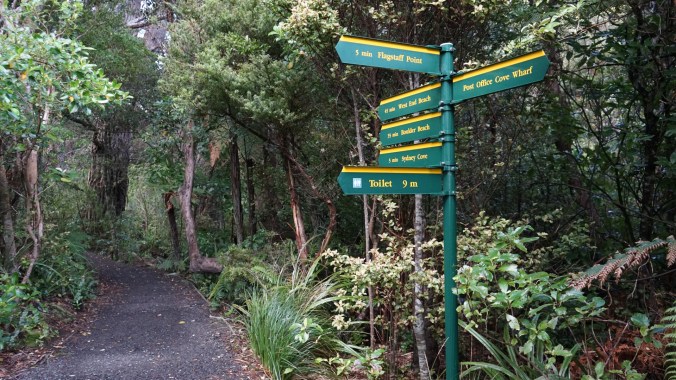
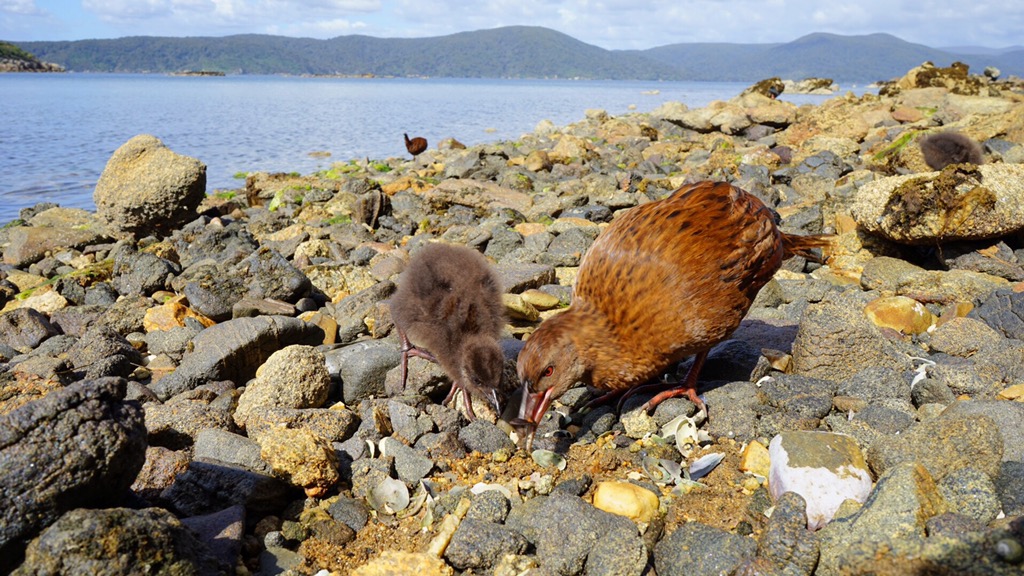
Despite doing lots of reading on Kiwi birds and the best places to find them, Ulva Island never hit our radar until the day before we were due to leave Stewart Island. But thankfully it did! This small predator- free, road- free, and virtually inhabitant- free island has become a sanctuary for rare and native birds such as the Kiwi, Saddleback, Yellowhead and Kaka parrot, and will leave you feeling like you’ve been transported back to Jurassic times when animals ruled the world.
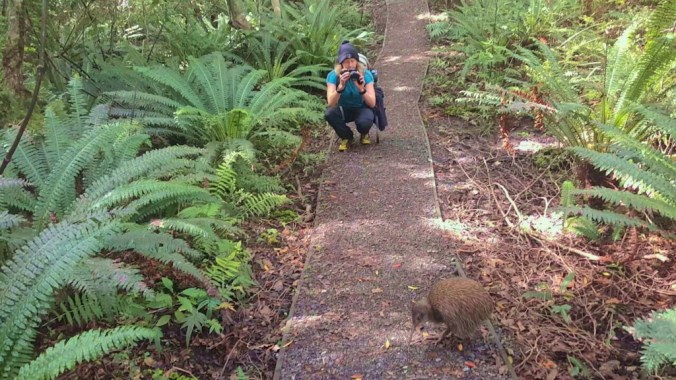
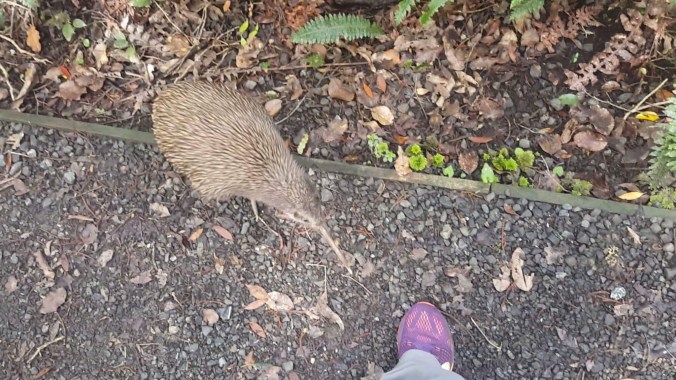
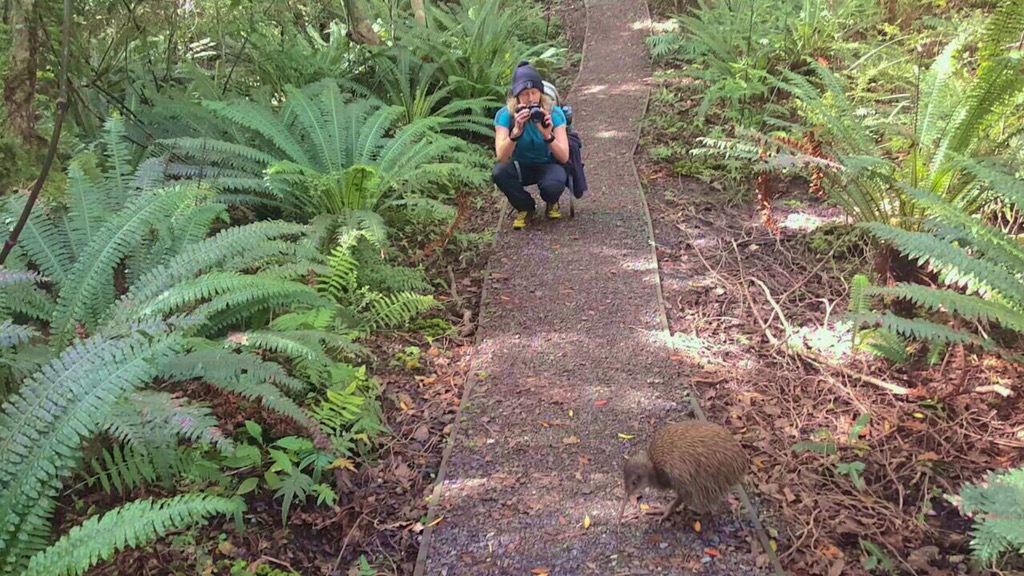
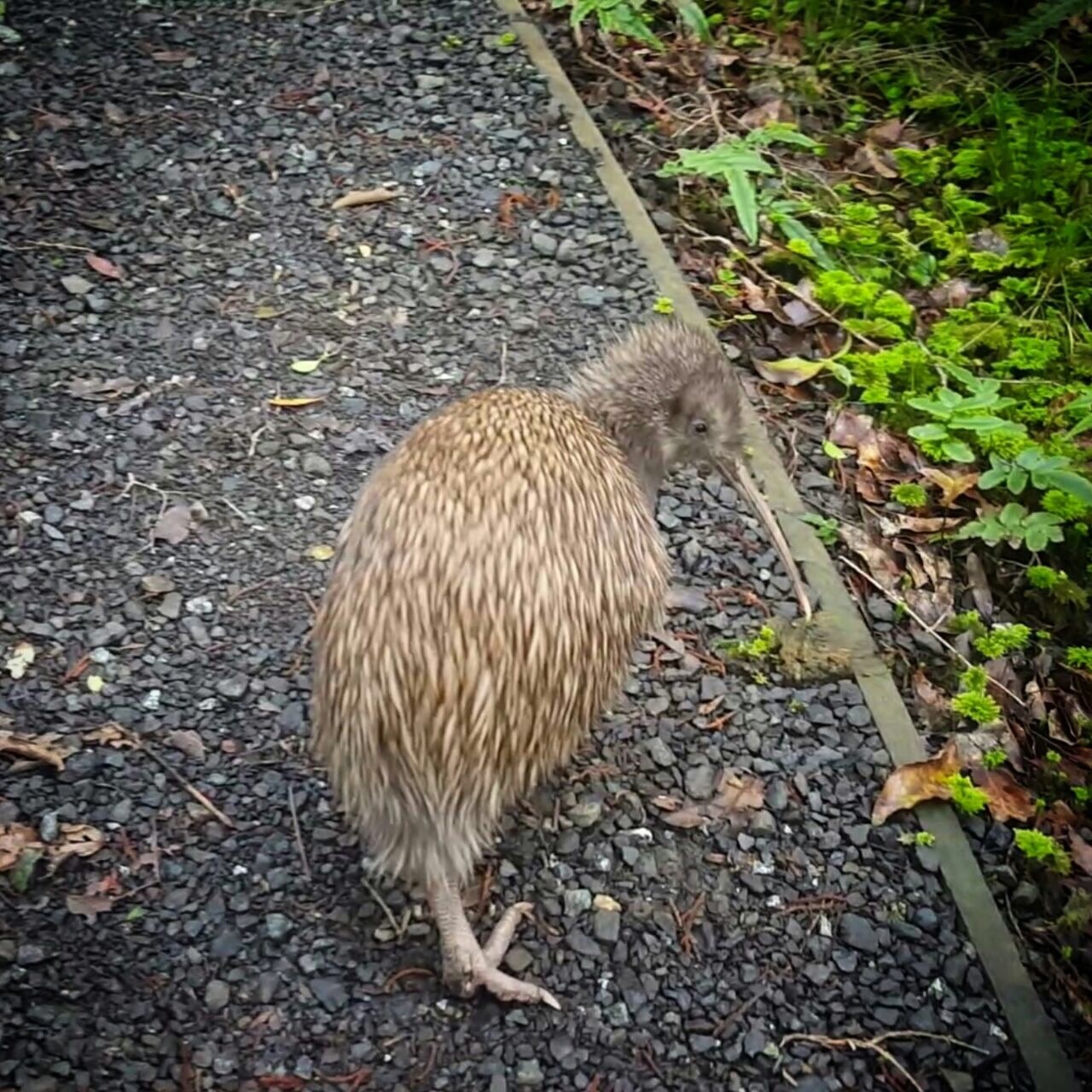
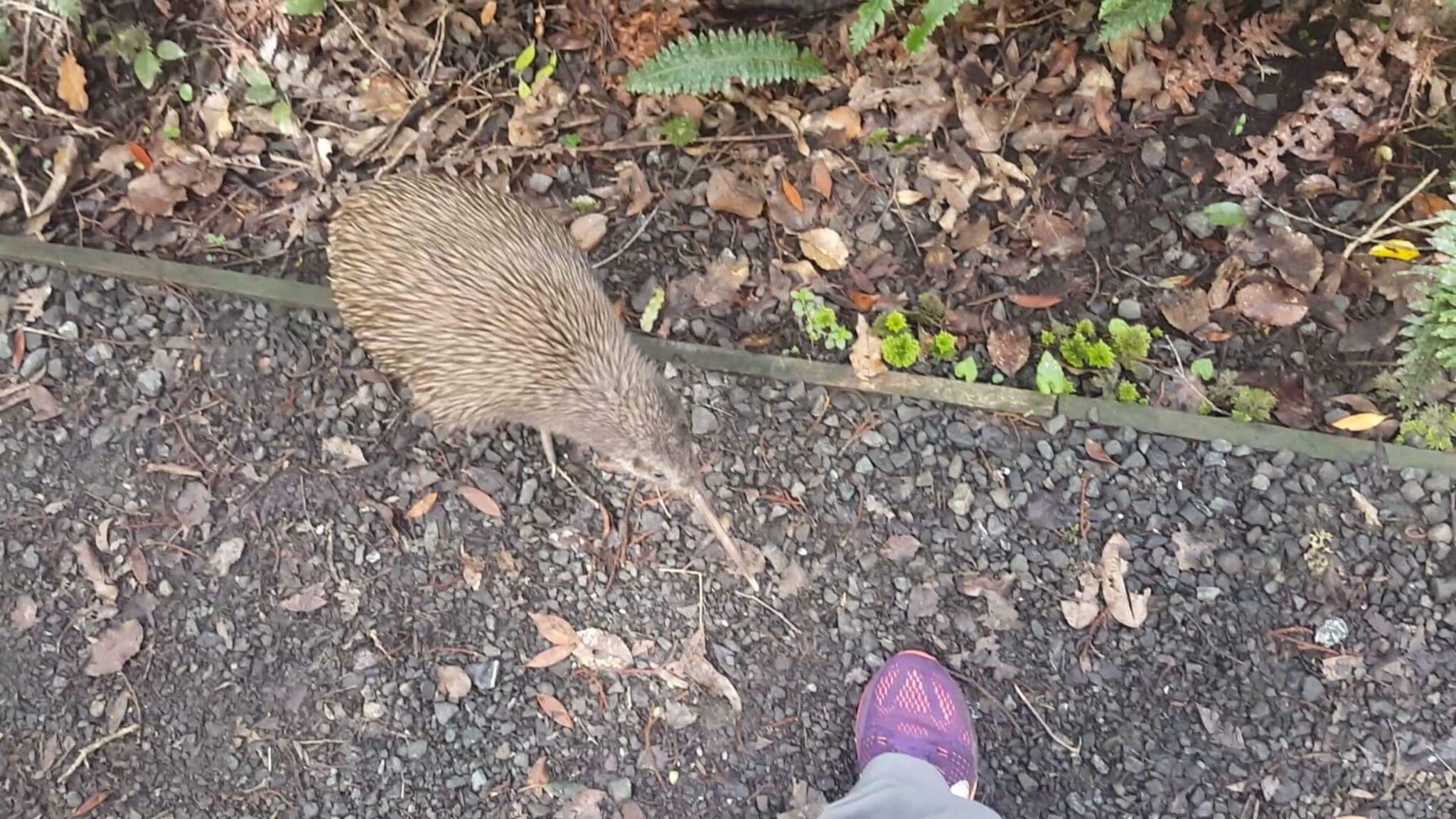
Within 3 hours of being on the island, 3 out of the 4 couples we shared a boat with, left having had the Kiwi encounter they had hoped for…including us! And what a memorable encounter it was! With just 30 minutes to go before we departed the island, it looked like we’d be leaving NZ without even a glimpse of a Kiwi, when we were suddenly stopped in our tracks by a sea of parting ferns. Then to our absolute astonishment, in the board light of day, out pops a long protruding beak followed by a tiny head and a massive ball of a body! A kiwi bird at last! Scared that we would frighten her off, we froze to the spot and watched on as she thoughtfully strutted between us both and even got close enough to sniff Danielle’s brightly coloured shoes! Another epic and unforgettable fairy-tale moment in our travels around the world.

So before going trekking through forests with heavily laden bags; and wandering the back streets in the dead of night, fork out $20 for a return ticket to Ulva Island with Ulva Island Ferry , and even if you don’t spot a Kiwi, you really won’t regret visiting this beautiful place!
To give yourself the best chance of spotting the Kiwi and truly experience all of the flora and fauna that Ulva island has to offer, we’d defiantly recommend a full day trip. Take a picnic, relax and enjoy. And remember, leave only foot prints and take only memories. This is an amazing sanctuary- lets keep it that way.
The ferry departs Golden Bay Wharf (Stewart Island) prompt at 9am; 12pm; and 4pm* and returns from Post Office Wharf (Ulva Island) at 12pm; 4pm and 6pm* Monday-Saturday. No ferry service currently operate on a Sunday and take CASH ONLY payments. (*Summertime)
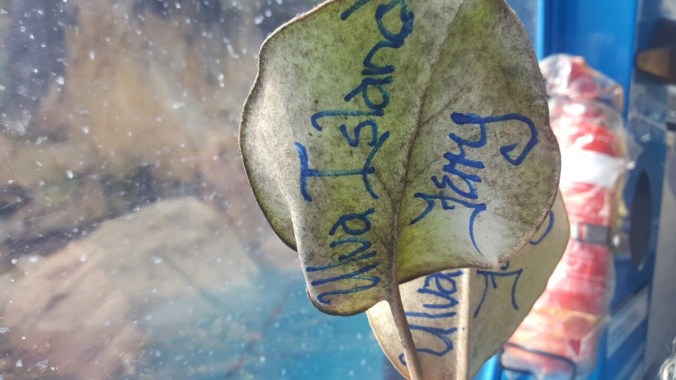
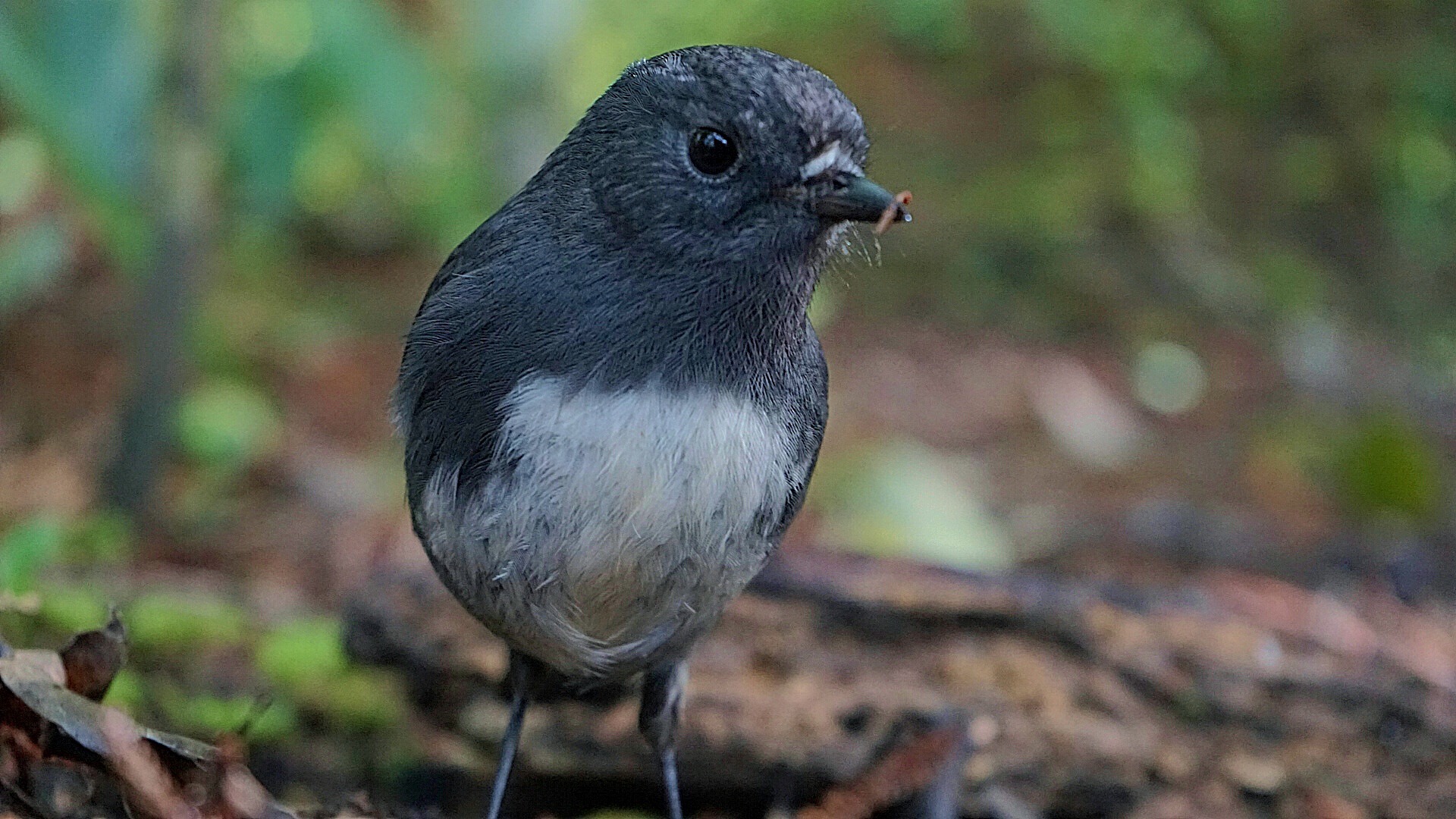
Top tip: Move slowly along the trail. Listen for rustles and be patient! Stand still for a little while and let the birds come to you. Once you see them fluttering around, kick up a bit of mulch and you’ll soon have Robins eating at your feet.
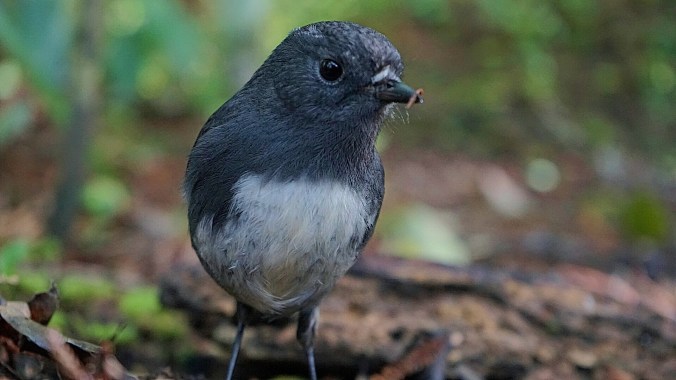


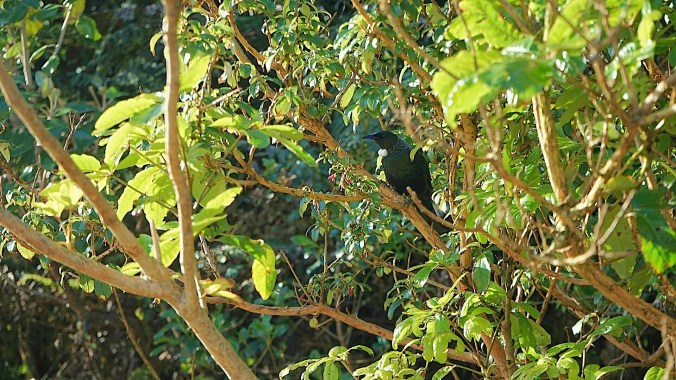
Stewart Island Top Tips
When to visit: Spring is one of the best times to visit the island. Bird watching is best at this time particularly for spotting chicks. There’s still a chance of an Aurora; crowds are fewer so accommodation and dining out is easier to wing; plus the weather is a little warmer than the cold winter months.
Where to stay: We can’t recommend Stewart Island Backpackers enough! This place has tent sites, dorm beds and private rooms; clean and ample hostel facilities and the staff are super friendly and helpful. They operate a cash back service meaning you can avoid nasty ATM fees and they are flexible with checking out time for tent pitches, meaning you can take your time and even leave your gear behind while you explore the island a little more.
Where to eat: There’s not too much in the way of food on the island. There is however a small Four Square Supermarket for all your basics. Expect to pay a little more than your average shop over here! There are also a couple of café’s; a Fish & Chip shop; and a pub called South Sea Hotel – We’d highly recommend the Fish and Chips here. The cod tasted as though it had jumped straight out of the sea and the batter and chips were to die for!
Banks: There are no banks on the island and only 2 ATM’s which you have to pay a fee to use- so stock up on any cash you might need before making the journey across the Foveaux strait!

















 Backpacks, Boots & Wanderlust